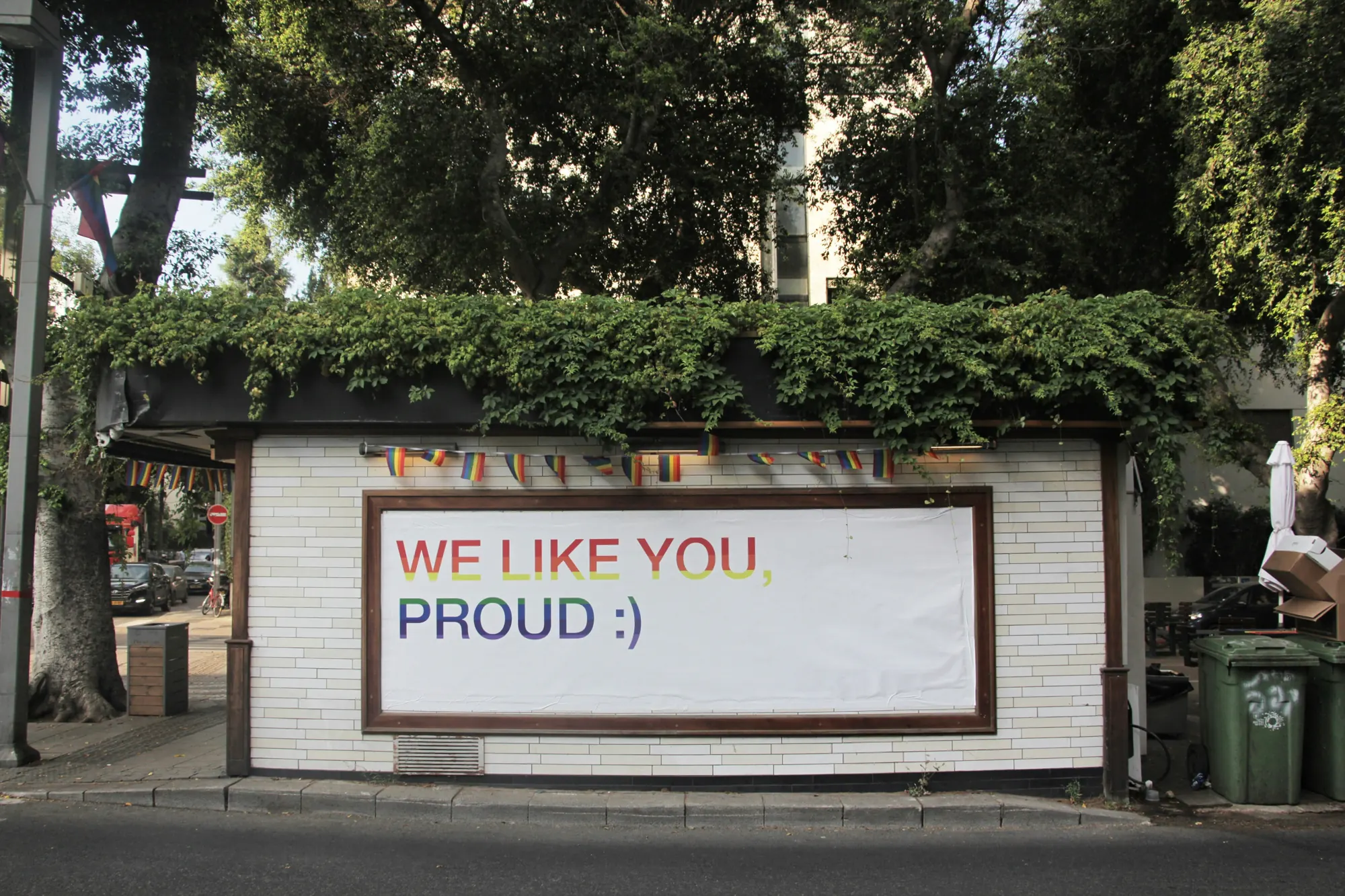
Corporate Pride has two invoices. Only one of them has been examined.
The retreat from visible corporate Pride has been discussed at length. The part of the relationship that involves supply contracts has barely been looked at, and the reason is uncomfortable.
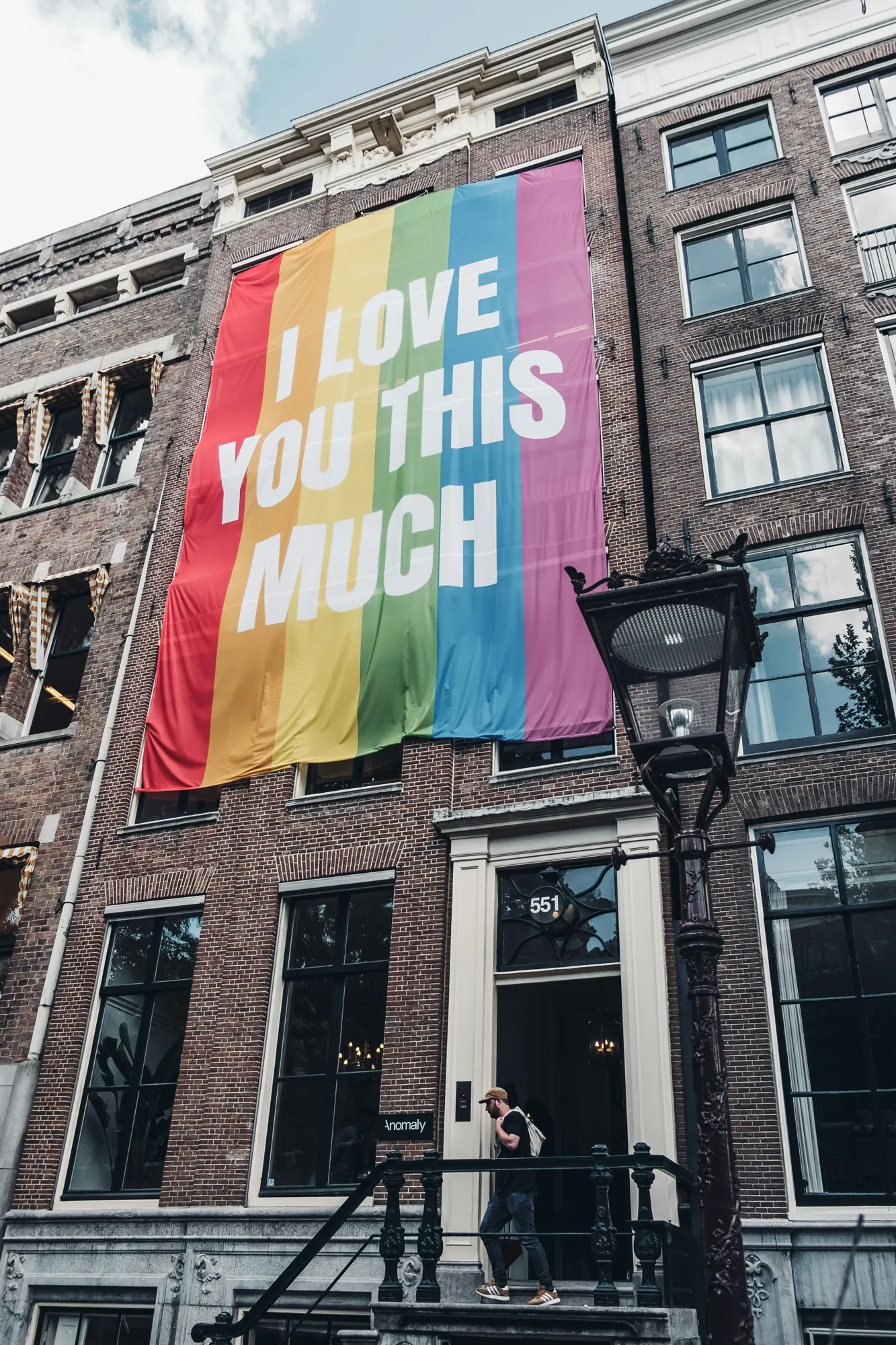
A company can pay to support a Pride event. It can also pay an LGBTIQA+ owned business to manage its facilities, design a service or deliver a research project. Both involve money, both sit in the company’s accounts, and they could hardly be more different in what they create. The first may be seen by thousands of people and remembered for a season. The second may be recorded only as an ordinary supplier payment and renewed for a decade.
The story of corporate LGBTIQA+ inclusion over the last few years has been told almost entirely through the first invoice. Smaller activations, fewer logos, more caution about which markets see which campaign. That commentary is not wrong, but it is incomplete in a way that should worry anyone who cares about durable outcomes, because it examines the most fragile form of corporate support and ignores the most durable one.
Why procurement was never examined
The reason is not that the procurement relationship was too complex to study. It is that, for LGBTIQA+ owned business in Australia, there has been almost nothing to study. There is no Australian certifier for LGBTIQA+ owned business, and until the research is done nobody can say how many buyers recognise the category, on what evidence, or with what result. A company cannot quietly withdraw from LGBTIQA+ supplier spending if it never had a line for it. The visible retreat is real and countable. The procurement relationship, on the public evidence available so far, was never built at any scale the sector can point to. Whether it exists in forms nobody has counted is one of the things the research is designed to find out.
That produces a strange outcome. The form of corporate support that survives a change of marketing director, a nervous quarter or a hostile news cycle is a supply contract, because a procurement team’s priorities are price, quality, risk and continuity, and stopping means finding another supplier. The form that scaled and then contracted is public visibility, which is renewed annually by people whose priorities move with the weather. The sector built its relationship with corporate Australia on the invoice that is easiest to cancel.
What cannot be inferred from either
Care is needed in both directions. A change in public branding does not by itself show what happened to purchasing. A supplier diversity statement does not show that any business received work. Macquarie’s published supplier definitions include LGBT Business Enterprises, name the overseas certifiers and allow alternative verification to be considered; that establishes published recognition and discloses nothing about spending. The Human Rights Campaign Foundation’s 2026 criteria treat supplier programs, marketing, philanthropy and other outreach as alternative ways of meeting one requirement, so a score is not evidence that a company did all of them. Any claim of retreat or progress needs a defined market, a period and a measure.
The invoice that lasts
The more useful place to put the corporate Pride debate is not whether companies should be more visible. It is whether the relationship between LGBTIQA+ Australians and large employers has ever included the one thing that would make it commercially real, which is a purchasing relationship with real contracts, real invoices and real dependency. On what is publicly visible, it largely has not, and the likeliest explanation is not that anyone decided against it but that nobody built the category, the verification or the count that would let it be seen. The research will test that explanation rather than assume it. There is a defensible counter argument that a category which does not exist cannot be attacked, and the American experience shows supplier programs do get attacked. But that argument amounts to saying that invisibility is a form of safety, and this community has spent fifty years rejecting that proposition in every other part of its life.
Sources
- Macquarie Group. Inclusive supply chains: definitions and verification.
- Human Rights Campaign Foundation. 2026 Corporate Equality Index rating criteria, section 4a.
Source pages last checked 19 September 2026.
Pride in Business publishes analysis on LGBTIQA+ economic participation in Australia. It is funded and published through Just Gold’s impact program.
Get The Briefing. Our latest analysis and research updates, in one monthly email.